Viewing: Product & UX — switch version
Product · UX research

I take a product from concept, to build, to tested-with-real-users — by hand, every time.


A patented ML-driven hardware product built solo end-to-end, a UX research role at a talent marketplace, and a psychology background that makes user interviews feel like clinical listening.

0→1 product designUser researchPatent holderWorkshop facilitation
About

I've shipped a product with an integrated ML pipeline as a solo builder — from CAD to electronics to the model itself — and separately worked as a design researcher inside a live marketplace product, interviewing dozens of users and turning findings into a playbook other teams used.

Twelve years across Boston, New York and Istanbul. What ties it together: I don't hand off the parts of the process I don't like. I built the hardware, wrote the interview guide, coded the transcripts, and shipped the patent filing myself.

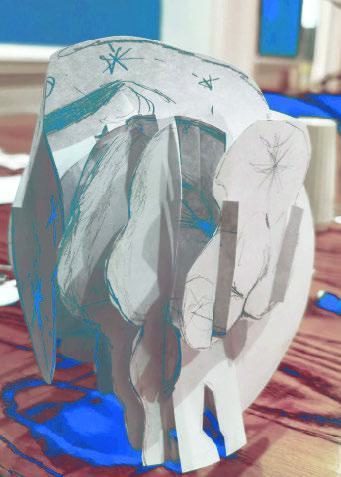
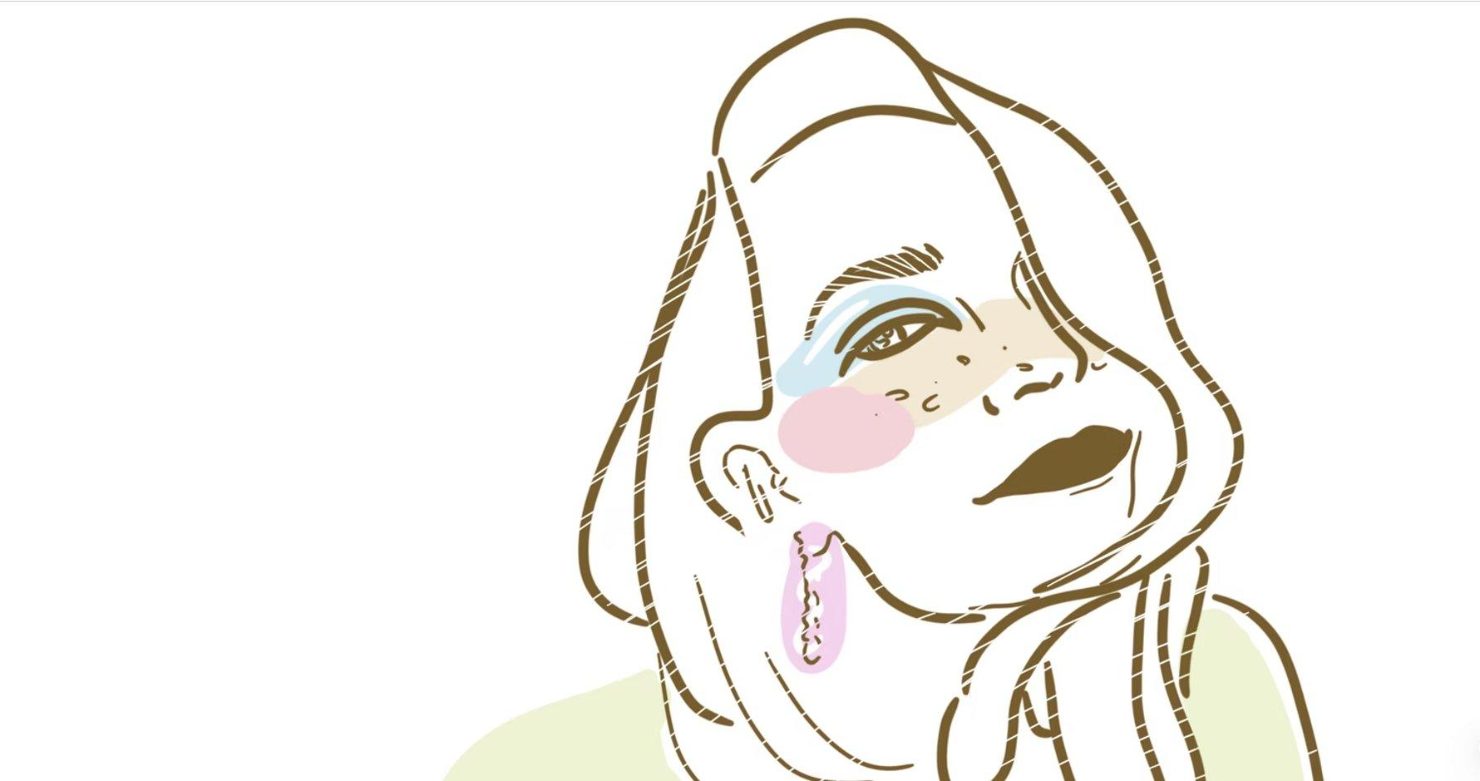
Self portrait caricature
01

Case study — The Waterograph

0→1 hardware product with an embedded ML pipeline · WIPO patent

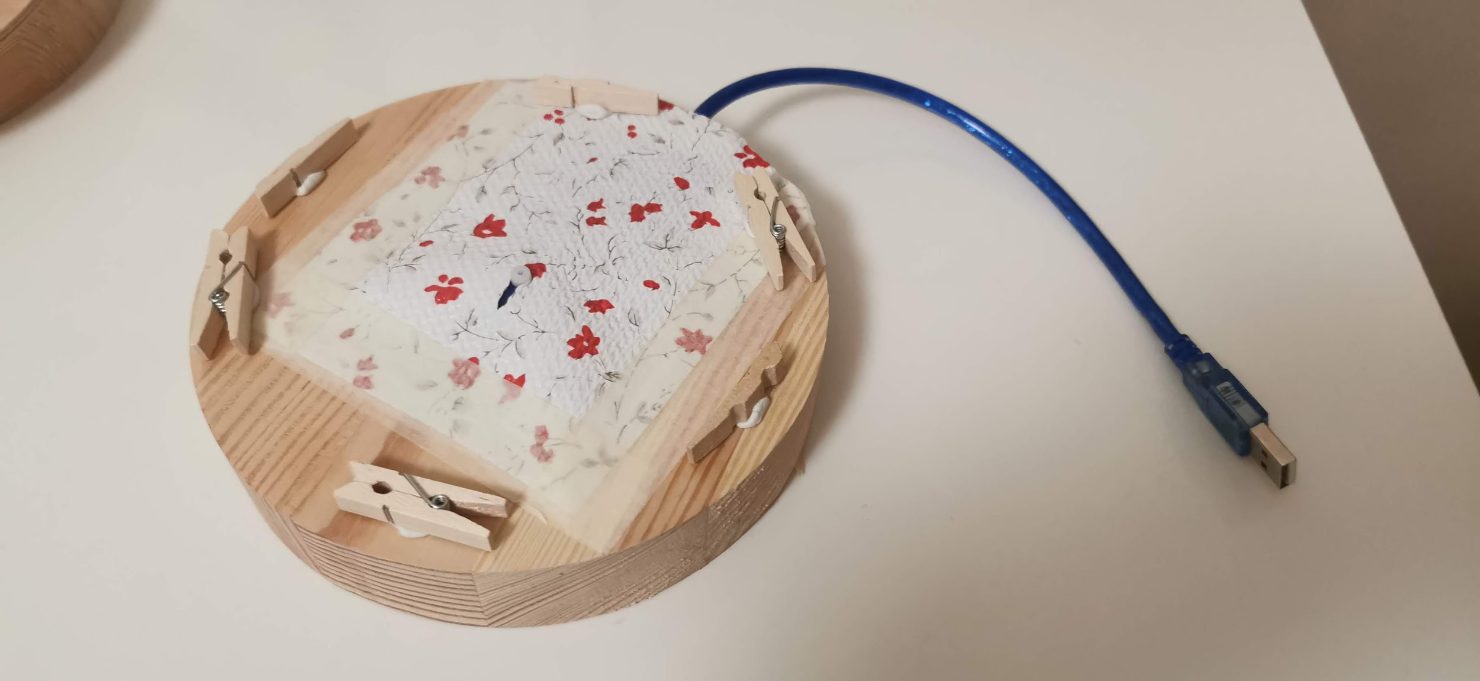
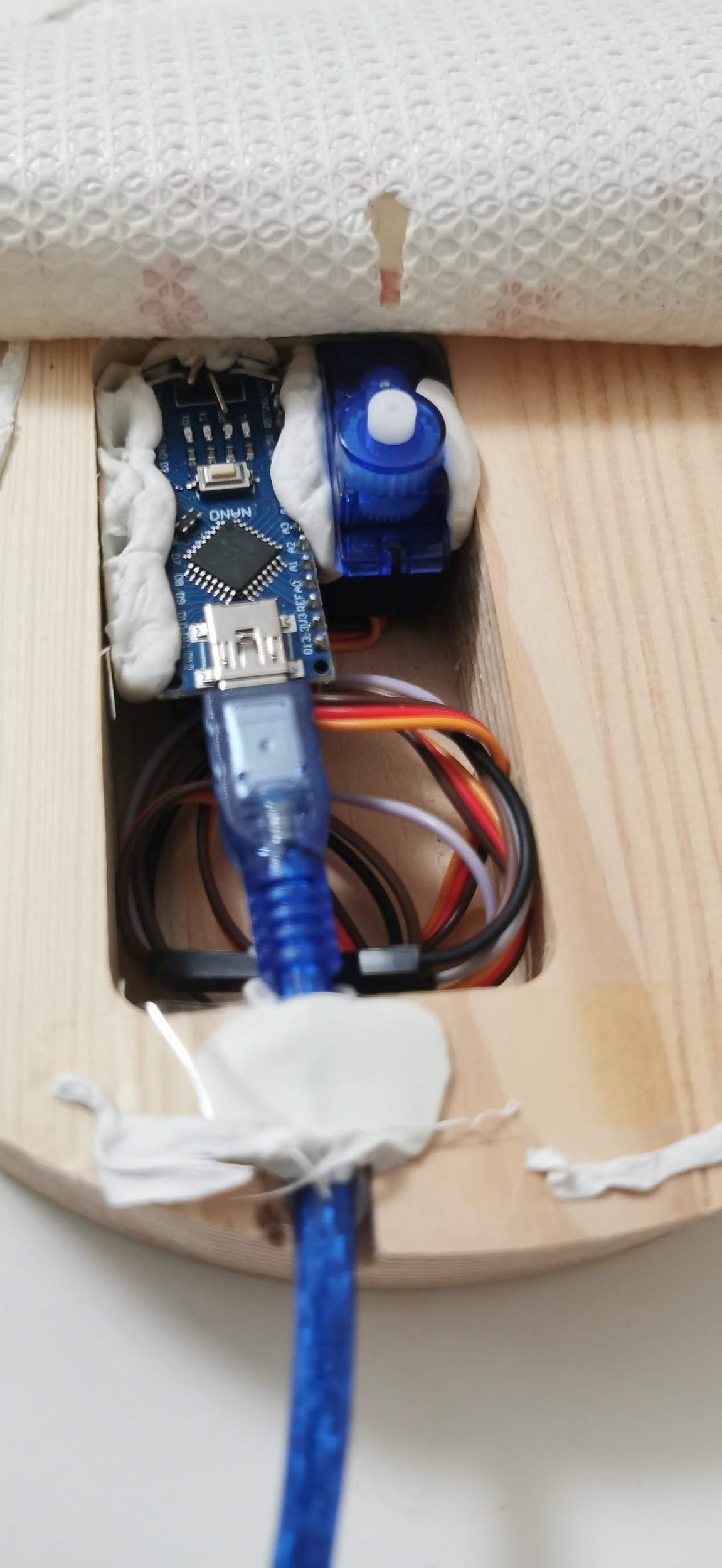
A rotating-painting platform with embedded Arduino electronics and an integrated ML pipeline: it catalogues a user's own work, trains a lightweight model on rotation pattern, color, and negative-space preferences, and uses it to suggest what comes next. The point: make "a model learning from data" tangible by using the user's own creative output as the training set.

The Waterograph in use
Concept → build → deployed with real users, three-day field test
Concept
Constructionist hardware that teaches ML by being one
Build
CAD, laser fabrication, Arduino, custom ML pipeline — solo2 hardware iterations before field deployment
Test
3-day field deployment, 6 users, IRB-approved single-case designGrounded-theory coding of the resulting interviews
Ship
WIPO WO2024172779A1, sole inventor · published 2024
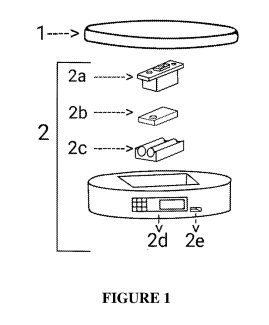
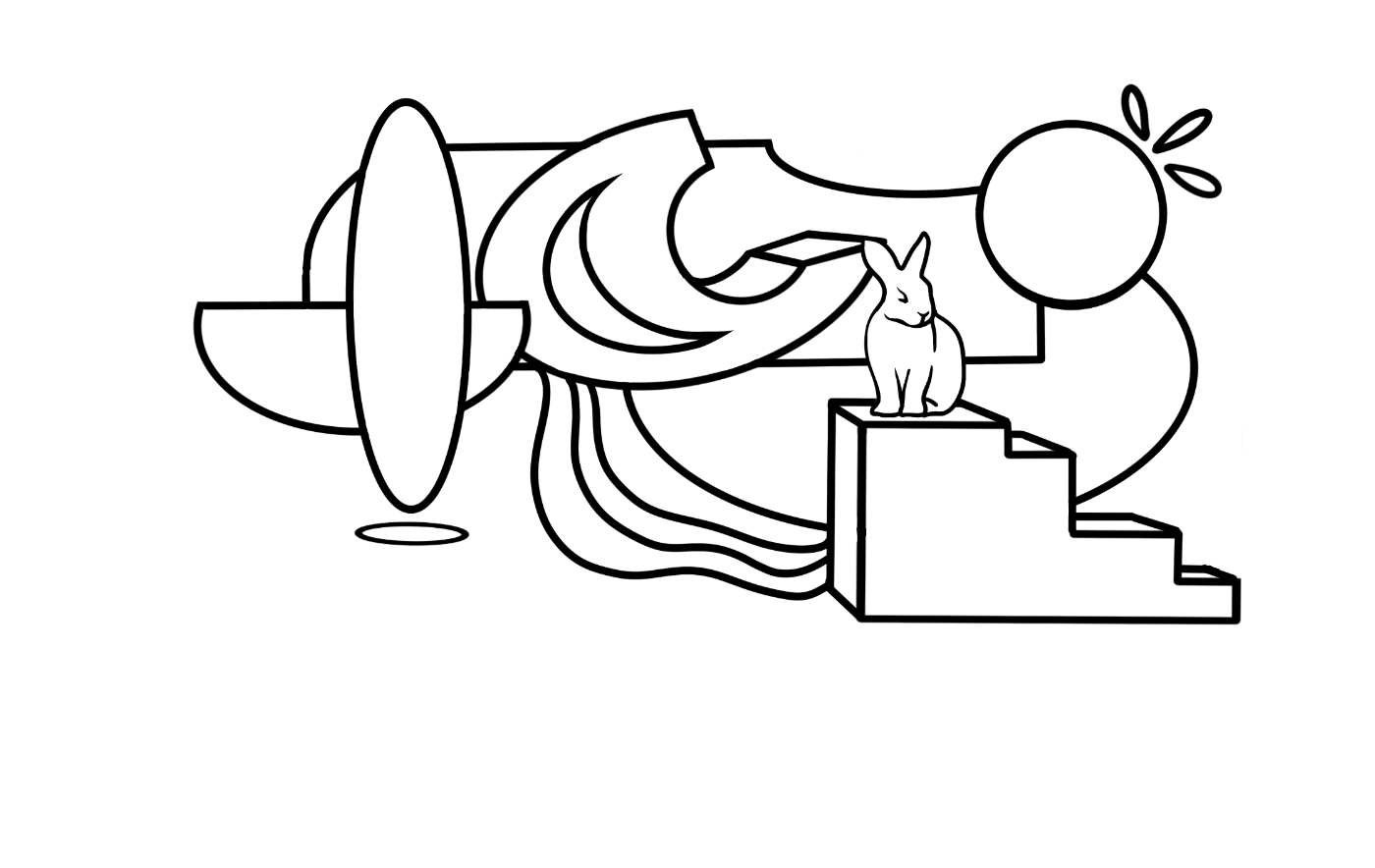
Patent figure, ML pipeline
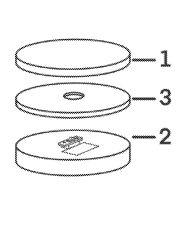
Exploded assembly diagram
Arduino rotational base
Waterograph design notebook
02

Field-testing the product

The Istanbul workshop as a live usability study

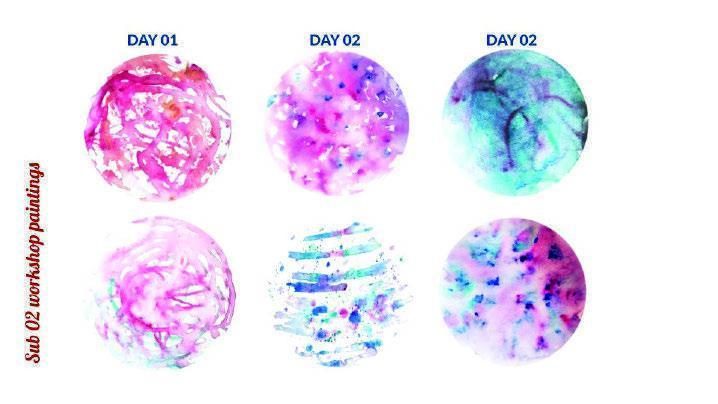
Operationally, this was a remote usability study: I mailed working kits to six 7th-graders in Istanbul, ran three moderated sessions over three days, and developed a coding system (Visual Literacy Competencies) from the resulting interviews. The clearest finding: the kit itself was the interface — a well-labeled, fail-friendly kit reduced the need for live facilitation far more than any in-session guidance did.

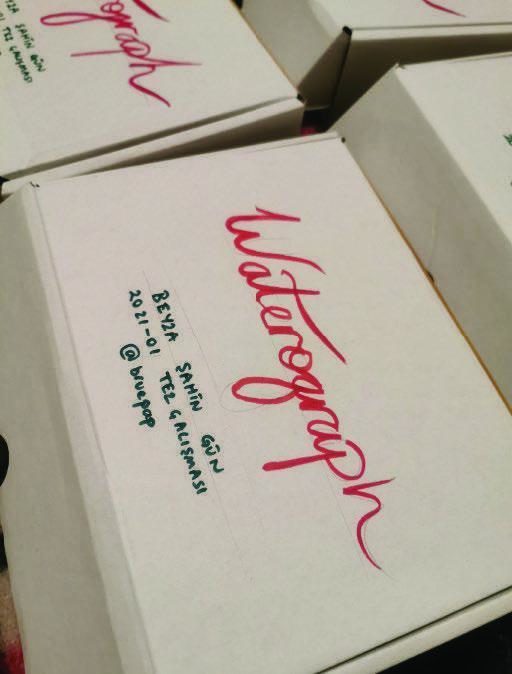
Custom kit packaging shipped to Istanbul
Participants' day 1-3 work
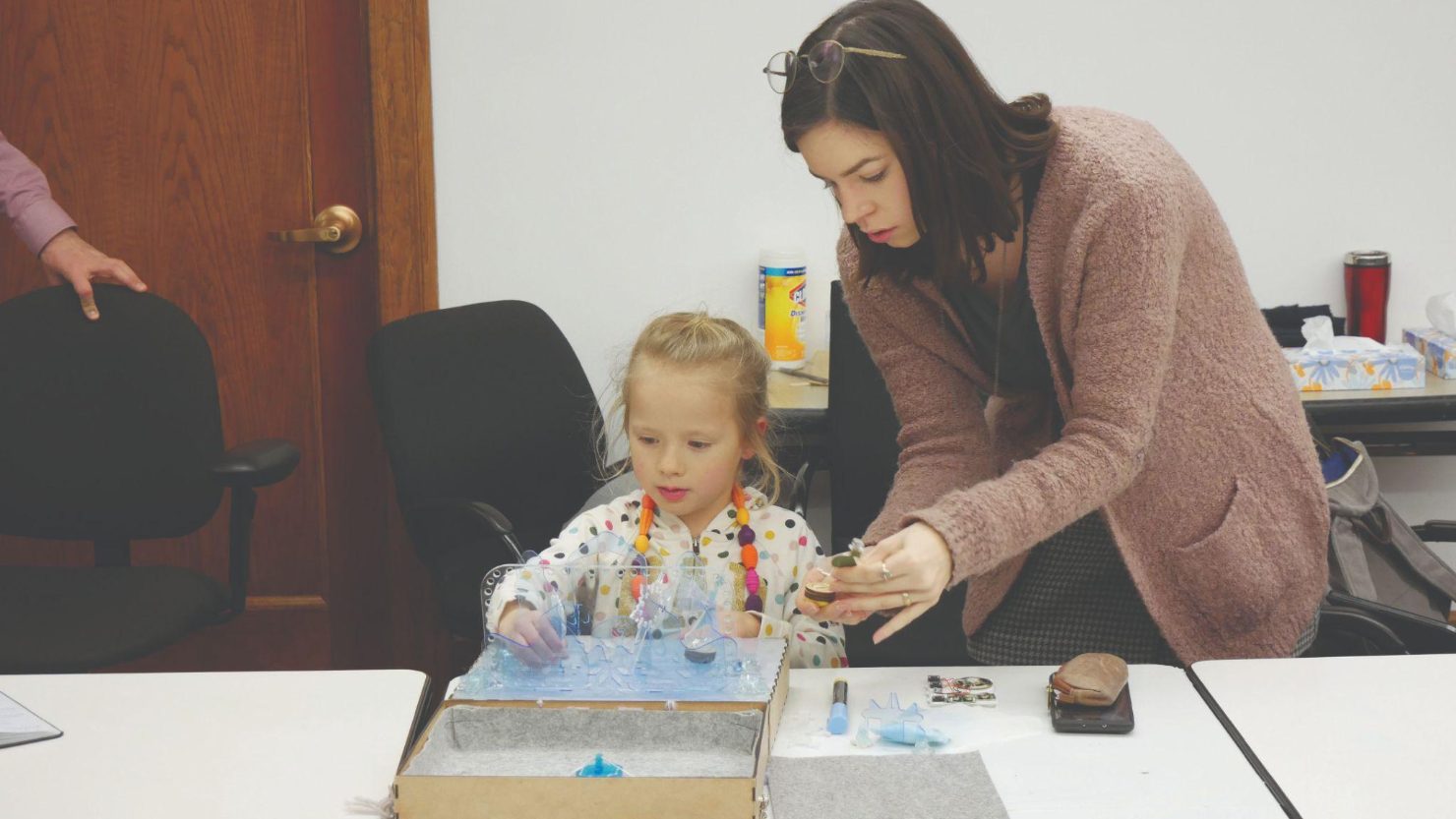
Facilitating a session
03

DreamToy — client-driven design

A one-client, three-interview build cycle
Castle of Elsa and Anna, final build

A storytelling castle built for one client — a 5-year-old — across three weeks and three structured interviews (incl. a sketch session), designed to be compact, voice-recordable, and light-up. A tight lesson in requirements-gathering when your one user can't yet articulate a spec in words: you learn to read what they build with, not just what they say.

Interviews
3, incl. sketch session
Duration
3 weeks, concept to delivery
Result
Client grade: A+
04

Design research — NEOL

Demand-side interviews, playbook synthesis

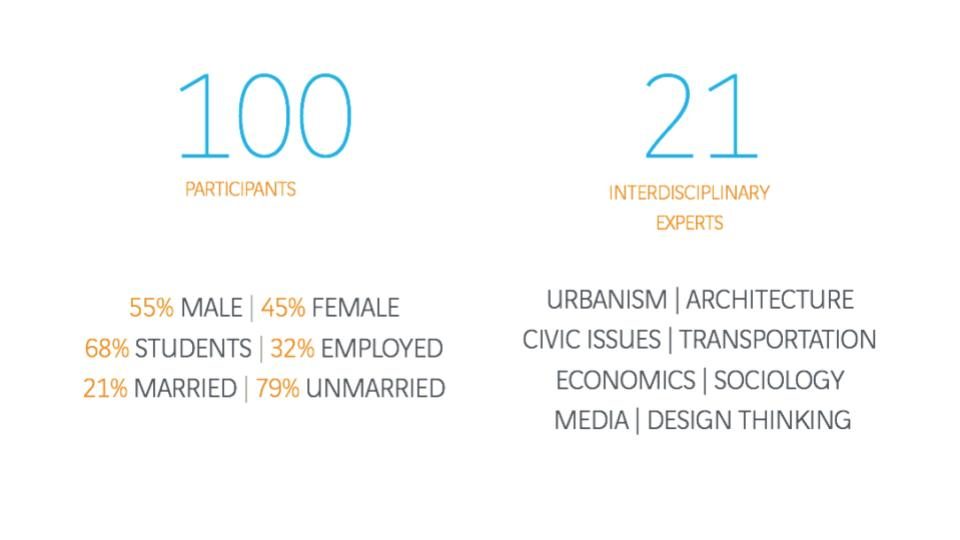
As Design Researcher at NEOL — a talent marketplace connecting creative leaders with vetted teams — I supported a two-week intensive for sixty community managers, ran daily surveys, and conducted post-program UX interviews with every participant, synthesizing findings into a playbook adopted for future cohorts. Separately, I interviewed ex-Google, ex-IDEO and C-suite creative leaders on the demand side to understand team-formation needs, and co-hosted client workshops for Eczacıbaşı (prioritization, plus wireframes for their program site) and Turkish Airlines (gamification mechanics across cultural contexts).

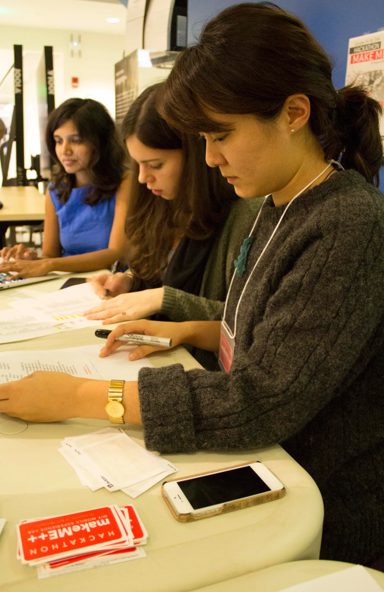
Program participant research
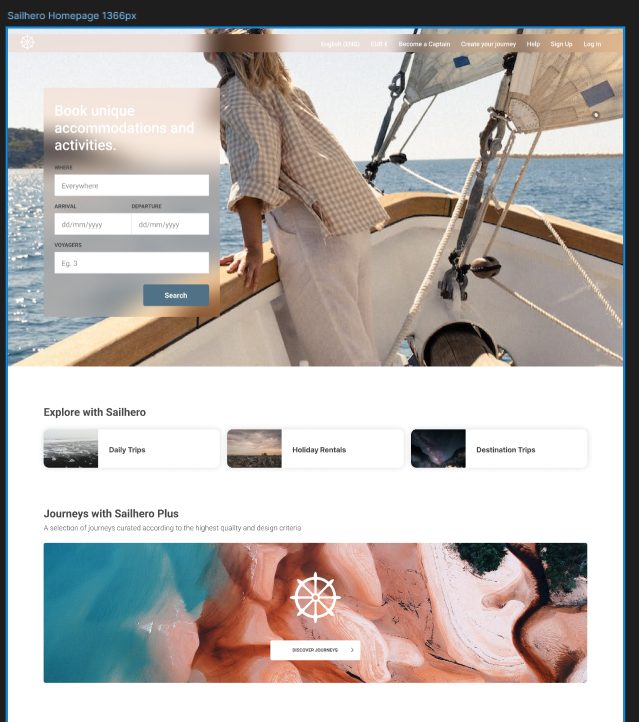
Sailhero booking interface, UX design
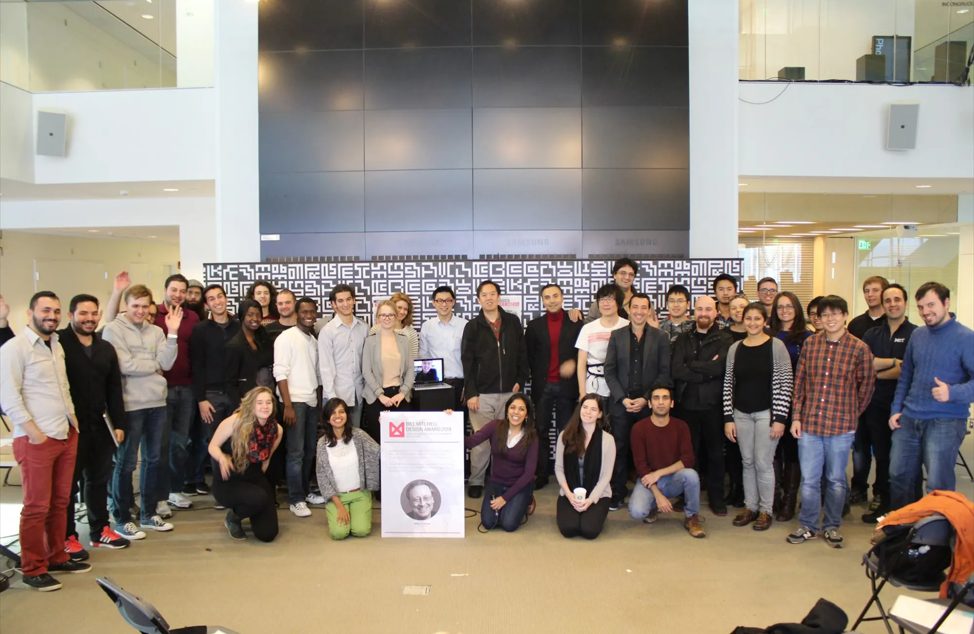
Conference group photo
Participants testing at a table